
海边的曼彻斯特
Why China's favorability is rising across the Global South_我的网站

A |
What explains China's growing appeal?
For many developing countries, China offers a practical development partnership centered on infrastructure, investment, industrialization, technology transfer and trade. Rather than prescribing a single pathway to modernization, it has generally emphasized allowing countries to pursue development in line with their national priorities.
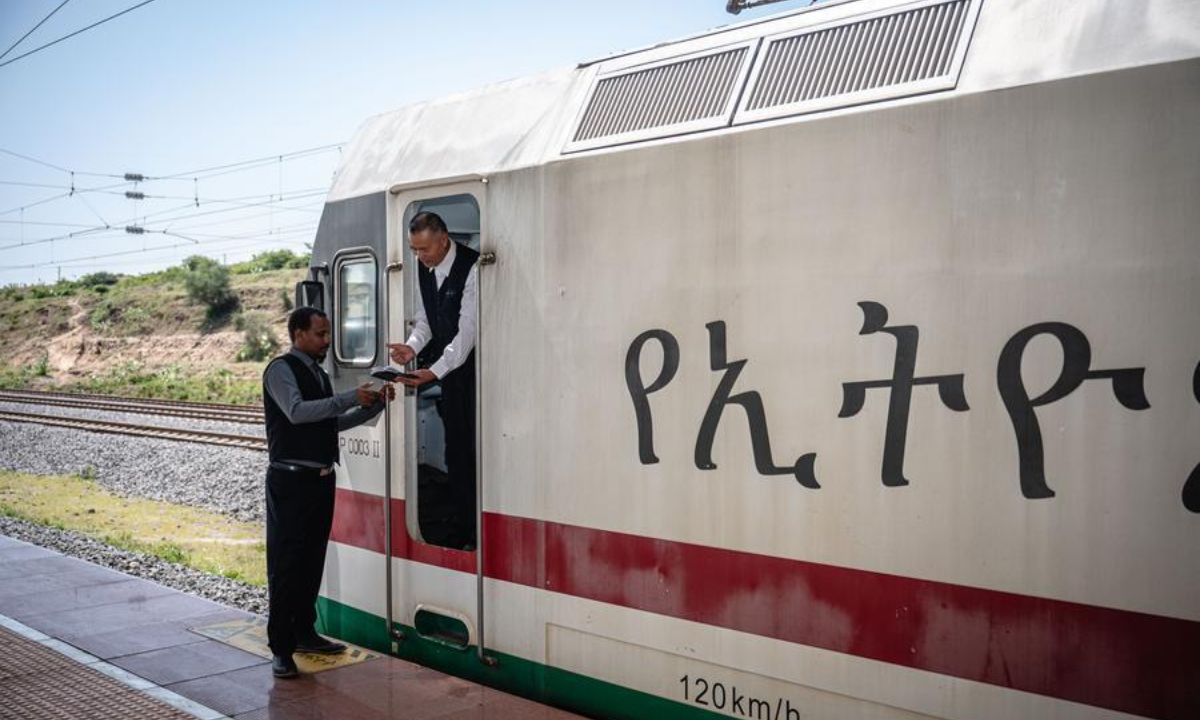
One reason China's influence has grown is that its development model is highly visible. From Ethiopia's railways to Pakistan's power plants, Chinese-financed projects address everyday development challenges by improving transport, energy security and connectivity. Through the Belt and Road Initiative, China has mobilized nearly 1 trillion U.S. dollars in infrastructure investment, producing projects that citizens can see, use and associate with economic progress.
The distinction lies not only in the scale of investment but also in the evolving priorities of development cooperation. While many Western partners have increasingly emphasized economic security, strategic de-risking, private-sector mobilization and governance reform, China has combined large-scale investment in physical infrastructure with technology transfer, industrial cooperation and human capital development.
At the same time, China has actively promoted trade by expanding market access, including granting zero-tariff treatment to many least-developed countries, deepening currency-swap arrangements, and encouraging the use of local currencies in cross-border trade. Together, these measures seek to strengthen economic connectivity, reduce transaction costs and exchange-rate risks, and create new opportunities for developing countries to integrate into regional and global value chains.
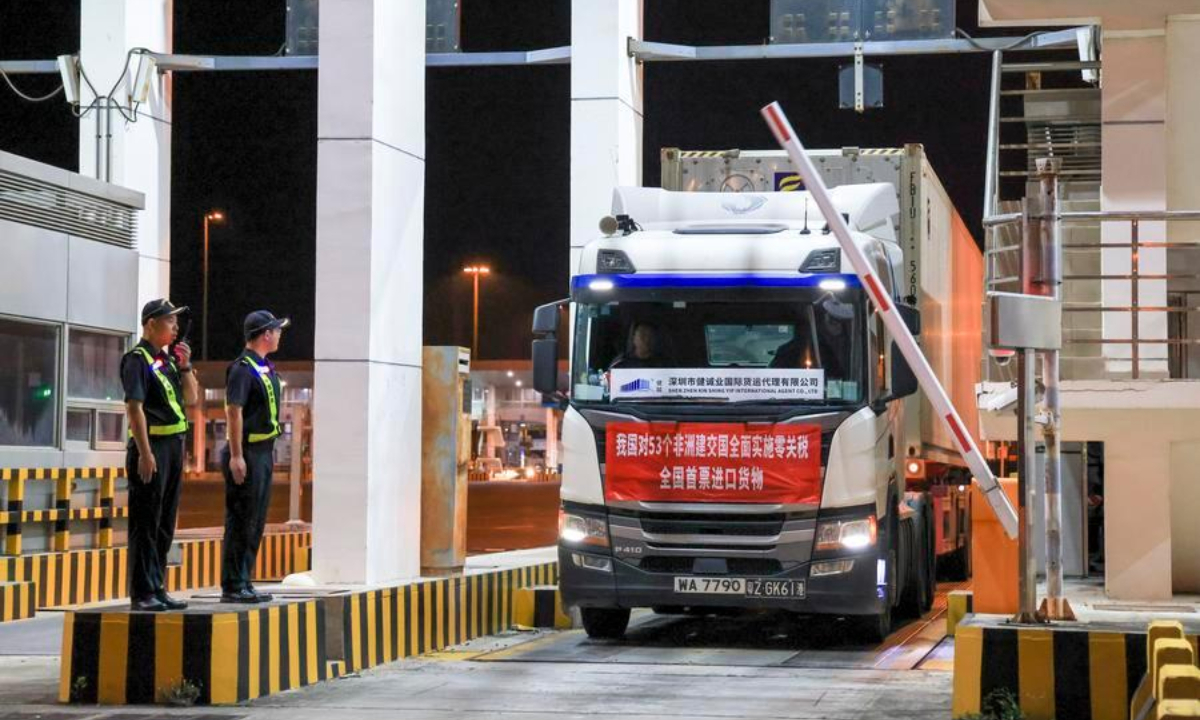
This integrated approach has produced tangible improvements in productivity, connectivity and local capacity, reinforcing perceptions of China as a long-term development partner.
Equally important is the philosophy underpinning China's engagement. Beijing consistently emphasizes sovereignty, mutual respect and non-interference, maintaining that every country should determine its own political and development path. For many governments across the Global South, this approach is a partnership based on equality rather than political conditionality, allowing them greater policy space to pursue domestic development priorities.
Diplomatic style has also influenced perceptions. Through mechanisms such as the Forum on China-Africa Cooperation and regular engagement with Pacific Island countries, China has committed itself to equality and shared development. For many governments in the Global South, that sense of respect and recognition is not merely symbolic -- it contributes to long-term political trust.
Perhaps the most important nuance is this: the Global South is not becoming anti-American; it is becoming strategically pragmatic. Its foreign policy decisions are increasingly guided by national interests, economic opportunity, and development priorities rather than Cold War-style geopolitical alignment.
The Global South's primary ambition is neither ideological nor geopolitical -- it is developmental. Governments want to create jobs, eliminate poverty, modernize infrastructure, strengthen industrial capacity and improve the quality of life for their citizens. China's transformation over the past four decades, from lifting hundreds of millions of people out of poverty to becoming a global leader in infrastructure, manufacturing and technology, has demonstrated what sustained long-term planning can achieve. Consequently, many developing countries are looking to China not as a model to replicate wholesale, but as a development partner from which they can learn, cooperate and pursue shared prosperity while preserving their own policy autonomy.
This contrast is also reflected in broader policy priorities. At a time when many Western governments are increasingly emphasizing tariffs, export controls, technology restrictions, sanctions and economic security, China has continued to promote infrastructure investment, trade, industrial cooperation, technology partnerships, open-source AI initiatives and greater access to its domestic market. Whether one agrees with either approach or not, many developing countries evaluate partnerships primarily through the lens of economic development and tangible outcomes. That difference in emphasis is helping reshape global perceptions.
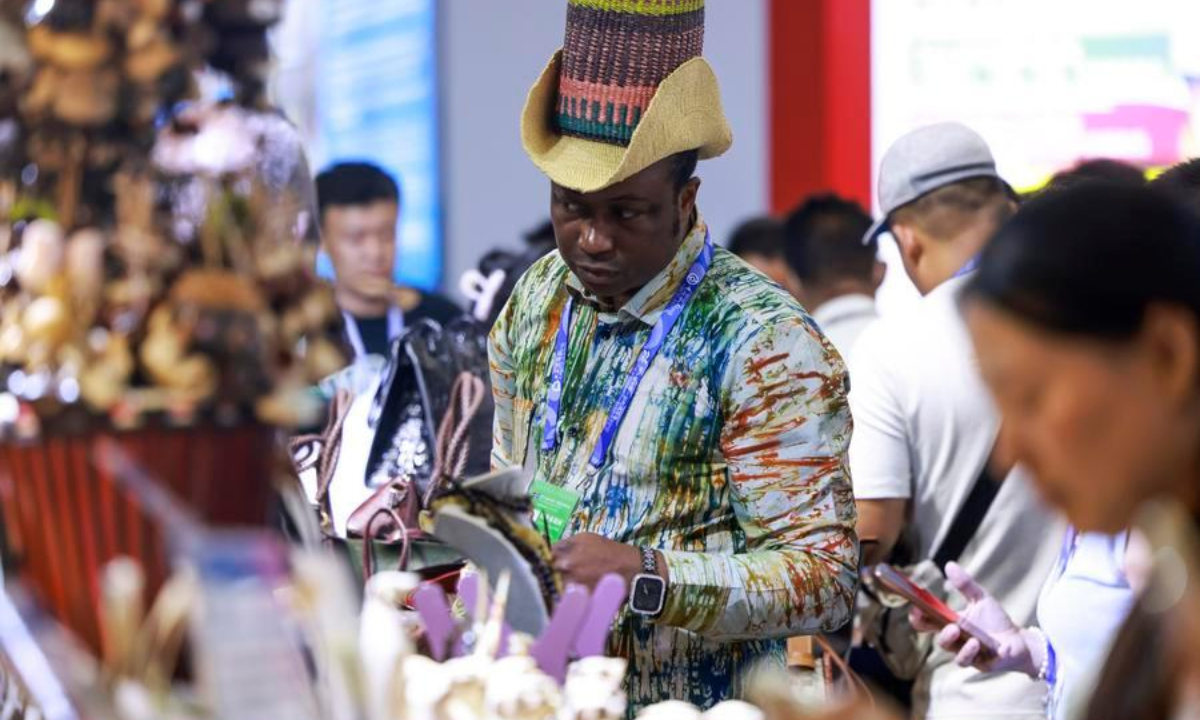
The world is changing, and the transition toward a more multipolar international order is becoming increasingly evident. The Global South is no longer a passive participant in world affairs. Its countries are exercising greater strategic autonomy, making decisions according to their own national interests, development priorities and the aspirations of their people. In China, developing countries have found a true friend and good partner.
Editor's note: Maya Majueran serves as the director of the Belt and Road Initiative Sri Lanka, an independent and pioneering organization with strong expertise in Belt and Road Initiative advice and support.
。

B | 8月26日讯 《体坛周报》记者马德兴撰文谈到青训话题,文章表示,真正的青训需要很多年,而互联网最擅长制造的却是“一个下午的天才”。在采访过程中,清华附中马约翰体育特长班的办公室主任及竞赛主管陈广虽然没有多言,但提到了一点担忧,就是现在的年轻球员过早地进入到了公共舆论场。或许是碍于目前的身份,陈广并没有就此话题展开。但是,他所提及的这一点却让记者深有同感。同样是采访青少年足球,十多年前与80后、85后、90后等青少年球员接触,与如今接触05后、06后甚至更小的青少年球员,记者的感受完全不同。如今的青少年球员所关注的、在意的东西与10多年前的小球员的关注点相比,已经发生了巨大甚至可以说是根本性的变化。现实社会中,短视频、社交媒体、比赛集锦、自媒体账号等等,可以让一个十四五岁的孩子在真正成为职业球员之前就拥有大量关注度,一段精彩的过人短视频可能会收获十几万的点赞;一场比赛可能制造一个“天才少年”;一支少年队也可能通过精心包装,变成一个具有巨大流量的IP。但是,这种变化某种程度上正在侵蚀着青少年球员培养过程中最需要的东西——专注。过去,教练、老师或家长会告诉孩子:“低头做人,脚踏实地做事。

C | ”现在却很难要求一个孩子“两耳不闻窗外事”。记者曾亲历过这样的事情,而且不止一两次。在某国少队的训练场边,记者亲耳听到小球员小声告诉身边的队友:“马记者来看咱们训练了,在拍东西呢,赶紧好好表现。”乍一听,好像这没有什么,一切都很正常,而且球员们训练状态显得很兴奋、很不错。但实际上,球员们真正在意的并不是训练本身,而是关注自己的视频、形象;关心自己是否能出现在记者的镜头之中;关注别人怎么评论;关注曝光度等等。

D | 他们的视线早就不在每天最枯燥的技术改进上。这其实就是全新时代下,青训工作中所需要面对的一个全新课题,即如何让球员们更专注。

E | 所以,当陈广主任提及自己的担心时,记者才感同身受。可以这么说,清华附中今天最需要的,并不是更多的“神话”。当校园球队已能够培养国字号球员时,最危险的反而可能是把“人才培养”重新变成“流量生产”,真正的青训需要很多年;而互联网最擅长制造的却是“一个下午的天才”。这也是记者在采访完陈广后深感另一个很值得关注与思考的东西。
Current article:http://www.bianhajieleigoukusunmen.pics/news/20260826_2715.xlsx
Published on:08:48:57
- 春节后,市场主线会变天吗?
- 中欧班列(西安)今年已向欧洲输送制冷家电超3.4万台,中欧班列(西安)今年已向欧洲输送制冷家电超3.4万台
- Ex-Illinois child welfare worker guilty of endangerment after boy beaten to death by mom
- 万物皆可 Doom:开发者在 GPT-5.6 Sol 定制 CPU 上运行《毁灭战士》游戏
- 连续升级!杭州主城区升级为暴雨红色预警
- 美媒一针见血评价:我们现在不是不想竞争,确实是“打不过”中国
- Zhuque-3 chief commander reveals cause of Y1 rocket's failed recovery, saying its data contributed to Y2's success
- 小行星2022 UQ1现被确认是露西号任务留下的太空垃圾
- 连云港福彩温情援手 助困境学子抗病魔
- 微软抢占了诺基亚?
- 算力服务器多少钱一台?价格因素与选购指南
- Miami Mayor Francis Suarez Drops Bid for Republican Presidential Nomination
- 名记:骑士在寻找替补大个 旧将乐福进入考察名单
- Russian foreign minister thanks North Korea for 'unwavering' support in Ukraine war
- “她的‘承认’印证了西方在乌克兰危机中的企图”
- 普京就职典礼上演“变脸秀”:从紧张到愤怒,再到自信满满!
- 全力创建国家级旅游度假区
- 河北:不止加油休整 服务区解锁新玩法
- 普京签令,任命总理
- 最后冲刺阶段!赠票仅剩115万,活动即将结束!