善良的男人
《纽约时报》:在中国,AI已经“无处不在”_我的网站

A | As artificial intelligence tools become increasingly accessible, concerns around misuse and consent are growing louder across the entertainment industry. Several actors have already voiced alarm over AI generated images that circulate online without permission. Now, actor Nivetha Thomas has added her voice to this ongoing conversation, issuing a strong public warning against the circulation of AI generated content that misuses her identity.A Firm Stand Against Digital MisuseTaking to her social media platforms, Nivetha directly addressed the issue, calling the creation and sharing of such images a serious violation of privacy. In a sharply worded note, she urged pages and users responsible for circulating AI generated visuals of her to remove the content immediately. She also appealed to the wider public to refrain from resharing or engaging with such material in any form, stressing that participation only legitimises an unethical practice.Nivetha described the misuse as deeply disturbing, unacceptable, and unlawful. She made it clear that her statement was being placed on record, and that anonymity would not shield those responsible. According to her, continued circulation of such content would be treated as deliberate misuse of her identity and could invite legal consequences. The message reflected a growing frustration among artists who feel exposed in an online ecosystem that often moves faster than regulation.
It has come to my attention that AI-generated images misusing my identity and a recent photograph I shared on my social media are being circulated online.The creation and circulation of such content without consent is deeply disturbing, unacceptable, and unlawful. It…
— Nivetha Thomas (@i_nivethathomas) December 17, 2025
Actors Push Back Against AI AbuseNivetha Thomas is not alone in raising concerns about artificial intelligence and its unchecked application. In recent months, several prominent actors including Shriya Saran, Aditi Rao Hydari, Keerthy Suresh, and Sai Pallavi have spoken openly about the harmful effects of AI generated images. Many of them have cautioned fans and social media users against participating in trends that cross ethical boundaries under the guise of creativity or admiration.Earlier this week, Sreeleela also shared a heartfelt message highlighting the darker side of technological advancement. Requesting social media users to stop supporting what she described as AI generated nonsense, the actor drew a clear line between using technology responsibly and abusing it. She pointed out that innovation is meant to simplify life, not create fear or insecurity, particularly for artists who already navigate intense public scrutiny.Sreeleela further argued that the misuse of AI is increasingly becoming a safety concern for actors, especially women, in the film industry. Her comments echoed a larger industry wide anxiety about deepfake content, manipulated images, and the psychological toll of losing control over one’s own likeness.Globally too, actors and creators have been demanding clearer legal frameworks to address AI related violations. From Hollywood strikes to public advisories by performers across industries, the message is consistent. Consent must remain central, even in the age of rapidly evolving technology.
View this post on Instagram
A post shared by SREELEELA (@sreeleela14)
Nivetha Thomas and the Road AheadOn the professional front, Nivetha Thomas was last seen in the Telugu film 35 Chinna Katha Kaadu, directed by Nanda Kishore Emani. The film also featured Arundev Pothula, Vishwadev Rachakonda, and Priyadarshi Pulikonda in key roles. Known for her grounded performances and thoughtful choice of roles, Nivetha has built a reputation for balancing mainstream appeal with strong content driven cinema.Her decision to speak up now underscores how personal and pressing the issue of AI misuse has become for actors. It is no longer a distant technological debate, but a lived reality that affects dignity, safety, and mental wellbeing. By publicly drawing boundaries and warning of legal escalation, Nivetha joins a growing movement of artists demanding accountability in digital spaces.As conversations around artificial intelligence continue to evolve, voices like hers are pushing the industry and audiences alike to rethink where innovation ends and exploitation begins.
Also Read: Nani resumes shooting for Tuck Jagadish。
近日,美国《纽约时报》记者实地走访北京,沉浸式感受中国人工智能落地的真实生态。该媒体21日刊发报道称,如今行走在北京街头,各类人工智能应用随处可见。记者以通勤出行、城市休闲、逛街购物为切入点,通过多场景实地体验,记录下人工智能融入民众日常生活的真实图景。工作日晚高峰的城市街头,是观察民用AI落地的绝佳窗口。手机一键叫车,便可在附近路口等候车辆抵达。抬眼望去,街边布设的设备可抓拍横穿马路的闯红灯行人,辅助交警维护路面通行秩序。穿过马路,呼叫的网约车已经就位。
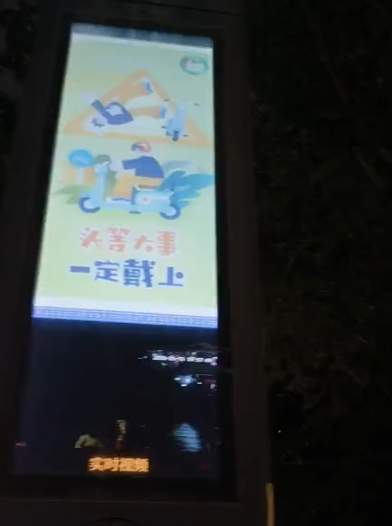
智能汽车的快速普及,是交通智能化最直观的体现。当下国产车型普遍搭载智能交互系统,语音控车、智能导航、自动辅助驾驶等功能走入千家万户,大幅提升出行便捷度。

B | 报道提到,美国企业往往聚焦聊天机器人,而中国政府和企业协同发力,推动人工智能落地工厂、医院、校园、商超等实体民生场景,以应对人口老龄化等现实挑战。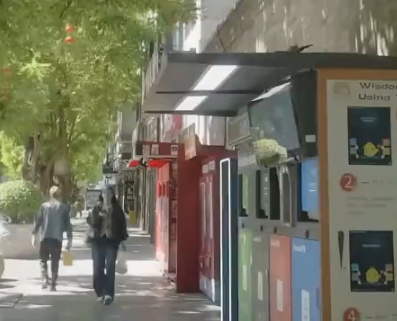 走在北京街头,可以见到不少AI智能垃圾桶,它可对垃圾进行扫描识别,区分普通垃圾与可回收物,引导市民分类投放。机器人值守便利店也是常见的智能场景。无人零售依托AI技术实现自助购物、机器人售货,是新零售模式的创新尝试。在日常逛街购物时,如果看中街边服饰无需进店选购,通过电商平台拍照识图,即可一键匹配同款商品,还能借助AI生成穿搭效果、智能推荐搭配方案。

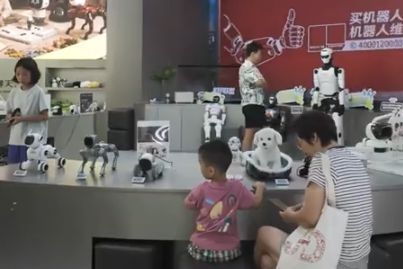
C | 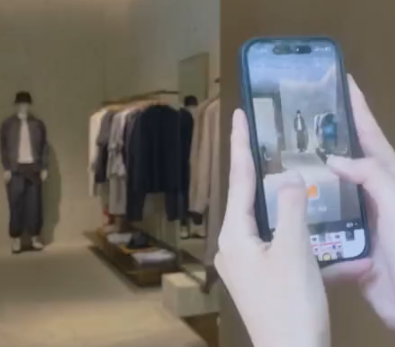 与此同时,“AI标签”已然成为消费市场的流量密码。各大商场内,AI手机、AI笔记本、智能穿戴设备等品类占据核心展区,各式各样的人工智能机器人吸引人们驻足观看。从售价数百美元的熊猫智能机器人,到数千美元的高端人形家用机器人,产品品类十分丰富。《纽约时报》称,在中国,人工智能无处不在,它正以许多不易察觉的方式改变中国人的日常生活。在实体经济领域,AI自动化技术持续提升工厂生产效率,助力制造业转型升级;在民生服务领域,AI家教、智能问诊等普惠服务,依托海量医疗病例、教育数据,有效填补基层资源缺口,缩小城乡、区域教育医疗资源差距,让优质公共服务惠及更多人群。
 报道认为,中国这场人工智能探索最终走向何方,目前尚且无法下定论,但答案很快就会揭晓。
。
Current article:http://www.bianhajieleigoukusunmen.pics/list_v6c6ar/gpl.html
Published on:16:16:53